|
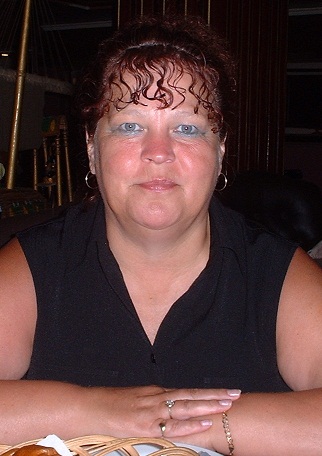
Hello! I'm your web guide to South Elmsall and South Kirkby; I hope that after seeing my web site, you will want to pay these lovely small towns, come villages, a visit; it's worth a day out at least, just to explore the walks! I was a local hairdresser for many years, but now I'm studying for a degree in computing at Huddersfield University and due to my new found skills, I have decided to create a website to let people like you, know all about the area where I live. |
 |
|
These west yorkshire villages are situated in the countryside, about half way between Doncaster and Wakefield; they are also situated nearby the towns of Pontefract and Barnsley. |
|
|
According to the Doomsday book of 1086, the records show that South and North Elmsall were separate settlements; South Kirkby, Moorthorpe and Minsthorpe were also settlements, but were probably no more than small farmsteads, that were growing alongside. The villages remained small agricultural communities for centuries and it's farming changed little from its Saxon origins right up to the beginning of the Industrial Revolution. North Elmsall has remained small, still no more than a hamlet; although some estates that have been built on the edge of Upton and South Elmsall do fall within its parish boundaries. However, South Elmsall grew rapidly, but by 1893 it still had only 58 houses, which were mostly occupied by farmers and farm workers; corn milling was one of the main industries in the village, with a windmill on Elmsall Hill and a water mill which stood on the site of the present Railway Hotel, these were finally replaced by a steam driven mill. Before the opening of the collieries, South Elmsall
village was centred on Elmsall Hill; even today many of the oldest buildings
are found there, the village stretched from the original Chequers public
house The village began its change in the late 19th century;
in 1866 the Doncaster to Wakefield Railway was completed and this meant
that people could reach nearby towns more easily; before this the people
of The opening of Frickley Colliery in 1903 left North Elmsall a quiet backwater, but changed South Elmsall from a quiet rural village into the small town that it is today. When Frickley and neighbouring South Kirkby collieries opened the population grew rapidly and the villages spread until, today, South Elmsall, South Kirkby, Moorthorpe and Minsthorpe have no obvious visible boundaries between them and the villages appear more like a small country town. North Elmsall on the other hand changed very little and it became even quieter, compared to the other villages, when the Doncaster to Wakefield road bypassed the village. Frickley and South Kirkby collieries provided the lifeblood to South Elmsall and South Kirkby and as the pits flourished so did the towns; estates were built, as were schools, services and other small businesses, to sustain the ever growing population. |
|